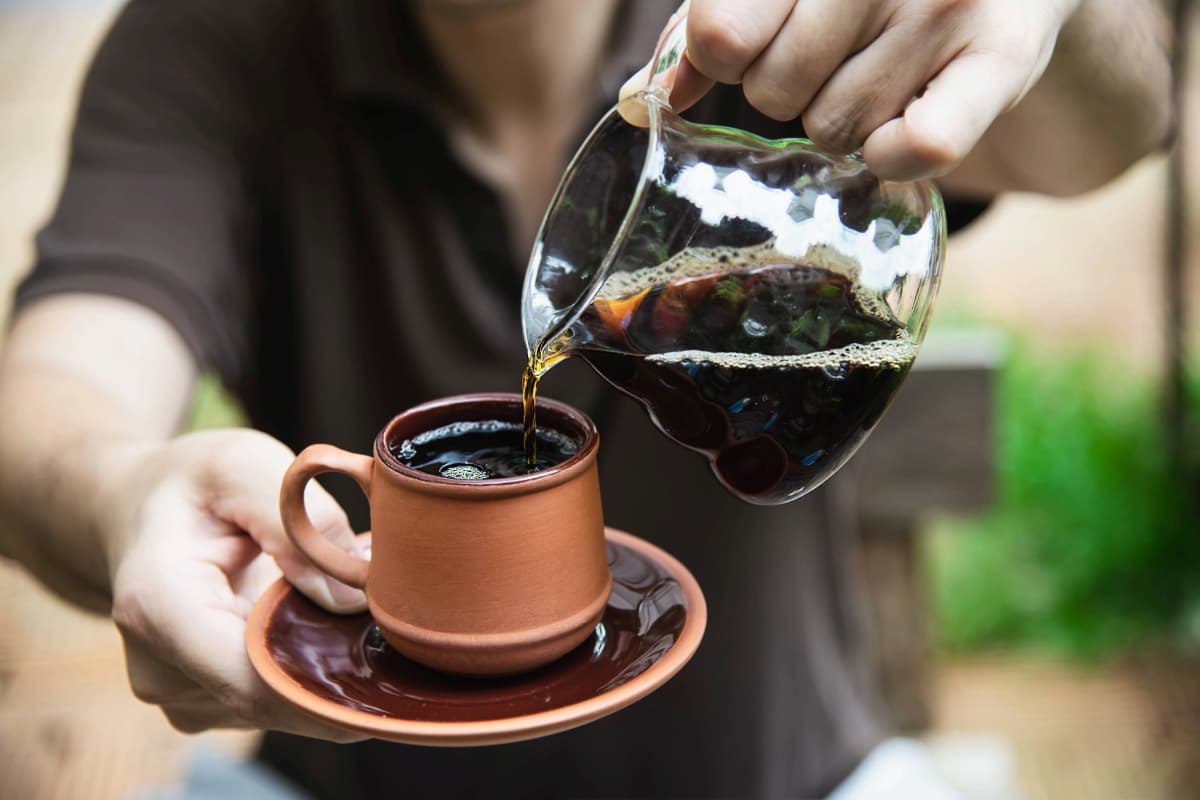
Balinese coffee is not only a crop, but it’s a part of the culture, from a daily dose of caffeine and offering, all respect the land and the divine. Now, sipping coffee has become a part of lifestyle, it shows from so many places to go for coffee in Bali, from a specialty coffee shop in Canggu aesthetic, to enjoying a humble glass of kopi tubruk in a local warung.
For coffee lovers and travelers alike, exploring coffee in Bali offers a unique thing to do that rivals the island’s famous beaches and temples. From the citrusy notes of Kintamani beans grown in the cool highlands to the robust intensity of traditional brews, Balinese coffee stands out as a distinct jewel within the diverse world of Indonesian coffee.
What Defines Balinese Coffee?
Balinese coffee is defined by a unique combination of volcanic terroir and a distinct processing method that sets it apart from beans grown on neighboring islands like Java or Sumatra. While many Indonesian coffees are known for their heavy body and earthy, spicy notes, according to balibeans.com, beans from Bali tend to be smoother with a cleaner finish and surprising brightness.
This distinct character is largely due to the island’s processing techniques, unlike the “giling basah” (wet-hulled) method common in Sumatra, which creates earthy flavors. Balinese farmers often use a fully washed process for their Arabica beans.
This method preserves the delicate fruit flavors and acidity, resulting in a cup that is complex yet approachable. That’s why even popular bars in Canggu also offer special espresso martinis using Kintamani beans because the delicate taste perfectly complements the spirit.
Beyond the technical aspects, the soul of Balinese beans lies in the philosophy behind its cultivation. Most coffee in Bali is grown by small-holder farmers organized into traditional cooperatives known as Subak Abian.
Subak Abian is a traditional farmer organization based on the Hindu philosophy of Tri Hita Karana, which dictates that happiness comes from maintaining a harmonious relationship with God, people, and the environment. This spiritual approach means that Balinese coffee beans are often organically farmed by default, as farmers avoid harsh chemicals to maintain the purity of the land.
When you drink a cup of single-origin coffee from Bali, you are tasting a product that has been nurtured with spiritual and ecological mindfulness.
Where Does Balinese Coffee Come From?
The geography of Bali plays a crucial role in the quality of its coffee. The primary growing region is the Kintamani highlands, located in the north-eastern part of the island. Here, the altitude ranges between 1,000 and 1,500 meters above sea level, providing the cool, misty climate that Arabica coffee plants crave.
The soil in this region is volcanic soil caffeine enthusiasts dream of, rich in minerals from the active Mount Batur volcano. This fertile ground allows the coffee cherries to mature slowly, developing dense beans packed with complex sugars and flavors.
While Kintamani is the most famous region, coffee in Bali is also cultivated in other highland areas such as Bedugul, Munduk, and Pupuan. Pupuan, located in the Tabanan regency, is particularly renowned for its Bali Robusta coffee.
Unlike the high-altitude Arabica, Robusta thrives in lower elevations and warmer climates. The diversity of Bali’s microclimates means the island can produce a wide spectrum of profiles, from the delicate and floral to the bold and chocolatey.
Visiting a Balinese coffee plantation in these regions is often a highlight for tourists, offering a chance to see the mist-covered hills where these exceptional beans begin their journey.
Balinese Coffee Beans and Varieties
When discussing Balinese coffee beans, it is essential to distinguish between the two main players: Arabica and Robusta. Kintamani beans (Arabica) is the star of the specialty coffee scene. These beans are celebrated for their lighter body and higher acidity.
Because the farmers in Kintamani practice coffee intercropping, planting coffee trees alongside citrus (orange and lemon) trees for shade, the beans often absorb unique flavor characteristics. This agricultural method is a hallmark of Balinese farming, providing natural shade that protects the plants while diversifying the farmer’s income.
On the other hand, Bali Robusta coffee is the workhorse of the local culture. Grown in regions like Pupuan, these beans are hardier, contain more caffeine, and possess a stronger, more bitter profile.
However, Bali’s Robusta is often considered superior to Robusta from other parts of the world, often described as having a “mocha” like taste with notes of chocolate and wood.
Additionally, the island is famous for kopi luwak Bali (civet coffee). Produced when the Asian palm civet eats the ripest cherries and excretes the beans, this variety is controversial due to animal welfare concerns but remains a significant part of the tourist narrative.
Authentic, wild-sourced Kopi Luwak is rare and prized for its incredibly smooth taste and lack of bitterness. You can easily find this type of coffee in Ubud or the Tegallalang Area, which offers an experience of Luwak Coffee Tasting.
What Does Balinese Coffee Taste Like?
If you order a pour-over of Kintamani coffee, prepare your palate for a bright and refreshing experience. The flavor profile is typically dominated by citrus notes, think tangerine, grapefruit, or lemon zest, balanced by a sweetness reminiscent of brown sugar or caramel.
It generally has a medium body and lacks the heavy, muddy aftertaste associated with some other Asian coffees. This “clean” taste makes it an excellent candidate for modern brewing methods like V60 or Chemex, which highlight the delicate floral and fruity aromas.
In contrast, if you are drinking a locally roasted Bali Robusta or a house blend, the taste will be vastly different. It will be bold, full-bodied, and punchy, with low acidity and deep flavors of dark chocolate, nuts, and spices.
This is the flavor profile that powers the locals through their day. It holds up exceptionally well against sweetness, which is why traditional Balinese brew is often served with a generous amount of sugar. For those who find Arabica too acidic, the smooth, chocolatey bitterness of a high-quality Bali Robusta can be incredibly satisfying.
Traditional Balinese Coffee Brewing Style
To truly understand the local culture, you must learn how to make Balinese coffee the traditional way. This method is known as kopi tubruk. It is the simplest, most ancient way of brewing coffee, requiring no fancy equipment, just a glass, a spoon, and hot water.
The key to a good kopi tubruk is a very fine grind, almost like powder. Here is the ritual:
- Place a heaping tablespoon of ground Balinese coffee (often mixed with sugar) into a glass.
- Pour boiling water directly over the grounds.
- Stir vigorously to ensure all the grounds are wet and the sugar is dissolved.
- Crucial Step: Let it sit. You must wait for 3 to 5 minutes for the grounds to settle at the bottom of the glass.
The result is a rich, unfiltered brew that is thick and textured. As you drink, you must be careful not to disturb the “mud” at the bottom. This method allows the water to extract the maximum flavor and oils from the beans, resulting in a beverage that is robust and aromatic.
This kopi tubruk is often paired with local sweets such as Pisang Rai (coconut banana cake), Klepon (Balinese mochi cake), and fried banana. This ritual is a slow experience that forces you to pause and relax, perfectly mirroring the “island time” pace of Bali.
Coffee as Part of Daily Life in Bali
Coffee in Bali is not just a drink; it is a social lubricant and a daily ritual. In every village (banjar), men gather at local stalls in the morning to drink kopi tubruk, smoke clove cigarettes (kretek), and discuss community affairs.
It is a symbol of Balinese warm hospitality; if you visit a Balinese home, you will almost certainly be offered a glass of hot and sweet coffee paired with some local snacks. Beyond the social aspect, coffee also plays a role in religious life.
During daily offerings (Canang Sari or Saiban), it is common to see tiny amounts of this brew and food placed on banana leaves as a gesture of gratitude to the spirits. The integration into the spiritual and social fabric of the island ensures that coffee farming and consumption will always remain a core part of the Balinese identity.
Balinese Coffee Compared to Other Indonesian Coffees
Indonesian coffee is incredibly diverse, and the Balinese one occupies a unique niche within this spectrum.
- Sumatra (Gayo/Mandheling)
Known for low acidity, heavy body, and earthy, herbal, sometimes mushroom-like notes due to the wet-hulled process. Compared to this, Balinese beans (especially Kintamani) are much brighter, fruitier, and cleaner. - Javanese Arabica
Javanese Arabica often has a cleaner taste than Sumatra but is typically more herbaceous and nutty than the citrus-forward profiles of Bali. Java Preanger coffee is the closest in terms of acidity, but Bali’s volcanic soil imparts a distinct sweetness. - Toraja (Sulawesi)
Toraja coffee is famous for its high acidity and caramel notes. While similar in quality to Balinese beans, Toraja beans often have a heavier mouthfeel and darker spice notes compared to the light, zesty character of Kintamani beans.
Bali’s specific use of coffee intercropping with citrus creates a terroir distinction that is hard to replicate elsewhere in the archipelago. While a Sumatran bean punches you with deep earthiness, a Balinese coffee dances on the tongue with fresh acidity and fruitiness.
How to Enjoy Balinese Coffee as a Visitor
For travelers, there are endless ways to experience the magic of Balinese coffee. If you are staying in the popular coastal areas, you can explore the booming café scene. For a more immersive experience, you should add a plantation tour to your itinerary.
It is widely considered one of the best bucket lists to do in Bali. Visiting a Balinese coffee plantation in Kintamani or Bedugul allows you to walk among the trees, see the coffee intercropping first-hand, and taste fresh roasted beans while overlooking the volcanoes.
When you are looking for where to buy Balinese beans to take home, skip the generic souvenir shops. Look for reputable roasters like Seniman Coffee, Expat. Roasters, or Revolver Espresso. They source directly from farmers and ensure you are getting genuine, high-quality beans.
Conclusion: Why Balinese Coffee Deserves Your Attention
The Balinese brew offers a perfect blend of tradition and modernity. From the volcanic highlands of Kintamani to the bustling cafes of the south, the island provides a coffee culture that is accessible, delicious, and deeply rooted in community values.
For more insights on how to make the most of your trip, including guides for families, couples, and groups, visit The Wonderspace. We provide curated tips to help you navigate the best the island has to offer, from tipping etiquette to finding hidden gems.
Frequently Asked Questions About Balinese Coffee
- Does Bali coffee taste strong?
It depends on the type of bean. Bali Robusta, which grows in lower areas like Pupuan, has a very strong, bitter taste and high caffeine content. Meanwhile, Bali Kintamani Arabica has a lighter body with fresh, citrus-like acidity and a smoother flavor, so it’s not as strong as Robusta. - What Bali coffee brands are famous?
There are several well-known local brands and modern roasteries in Bali. For traditional coffee, Kopi Bali Cap Kupu-Kupu Bola Dunia is the most iconic and often bought as a souvenir. For specialty ones, names like Seniman, Revolver Espresso, and Expat. Roasters and Anomali are popular for their premium-quality beans. - What coffee is most famous in Bali?
Internationally, Kintamani Arabica is the most famous because of its unique citrus taste. Bali Kopi Luwak is also well known among tourists as one of the most expensive coffees in the world. Among locals, traditional ground beans brewed as Kopi Tubruk is the most common and widely enjoyed.
What is Bali coffee made from?
All the Balinese’s glass of caffeine is made from Balinese coffee (Coffea), either Arabica or Robusta varieties. The beans are harvested from cherries grown in Bali’s volcanic soil. The processing methods may vary (wet, dry, or honey process), but the base ingredient is pure beans, except for some traditional “kopi campur,” which may be mixed with corn or rice to lower the price in local markets.